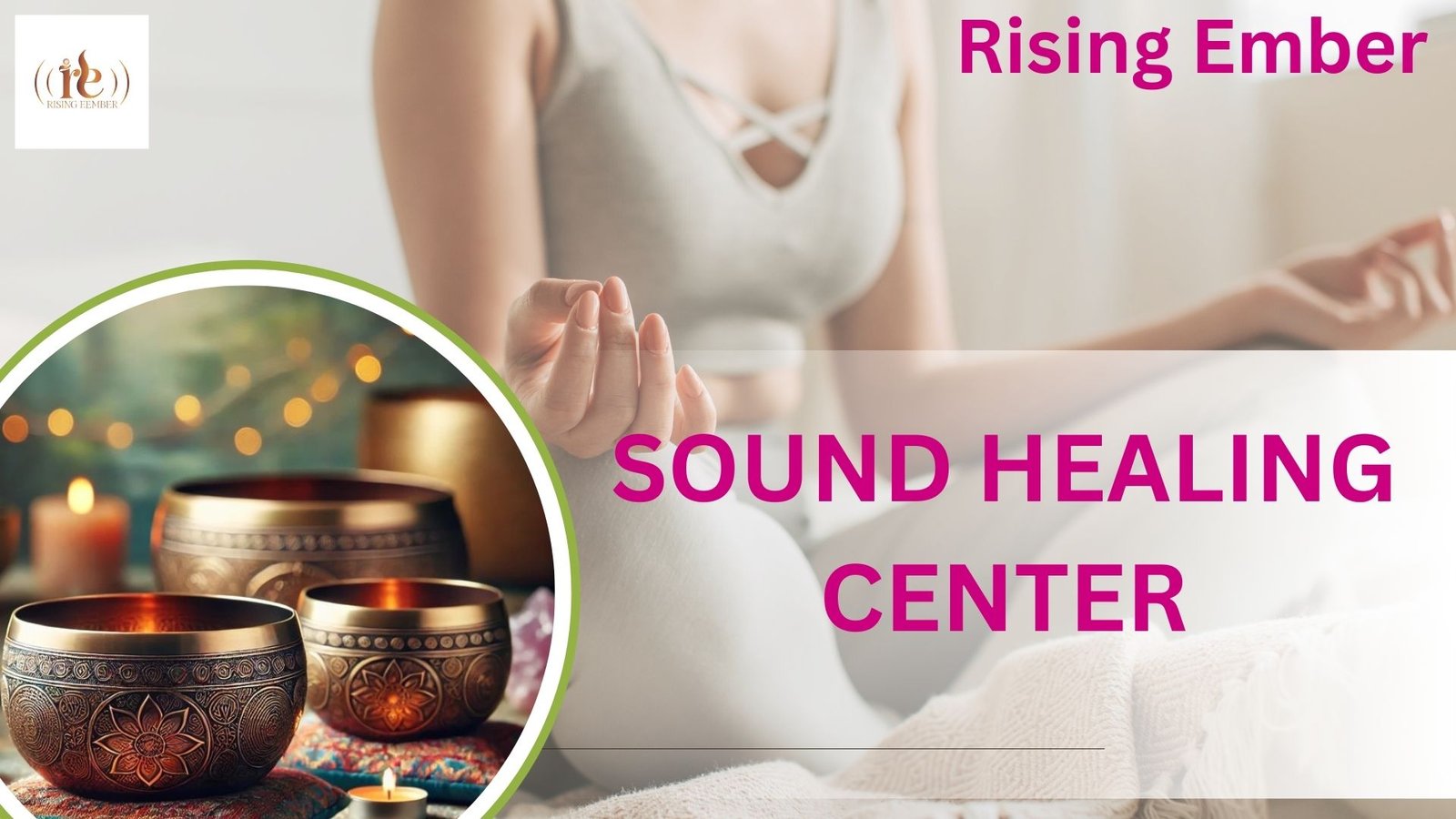
Sound Healing Explained: Ancient Practice, Modern Therapy
You’re lying in bed at night, exhausted but unable to sleep. Your mind keeps replaying conversations, deadlines, unfinished thoughts. Meditation apps haven’t helped. Exercise helps a little, but the restlessness always comes back. At some point, someone suggests sound healing and your first reaction is probably skepticism mixed with curiosity. How can sound possibly calm a nervous system that feels permanently switched on?
If that question feels familiar, you’re not alone.
Why So Many People Turn to Sound When Nothing Else Works
People usually arrive at sound healing after trying everything else. Not because it’s trendy, but because stress today isn’t just mental it’s deeply physical. Long hours, constant notifications, irregular sleep, emotional overload. The body absorbs all of it.
Sound healing works on that physical layer first. Instead of asking you to “clear your mind,” it gives your nervous system something steady to lock onto. Rhythm, vibration, tone. When used correctly, these signals can interrupt stress patterns that thinking alone cannot.
This is why sound-based practices have existed across cultures for thousands of years long before therapy had names.
How Sound Healing Actually Affects the Body
Sound healing isn’t about music preference or relaxation playlists. It works through vibration and frequency. When sound waves move through the body, they interact with tissues, breath, and brainwave activity.
Here’s what happens in practice:
- Breath slows down because steady tones cue the body to regulate itself.
- Muscle tension reduces as vibration travels through areas holding stress.
- Brainwaves shift from alert, fast-paced patterns to slower states linked with rest and recovery.
This is why people often report unexpected emotional responses during a session tears, memories, or sudden calm. Sound doesn’t negotiate with the mind. It reaches places we don’t consciously guard.
Ancient Roots, Modern Context
Traditional sound healing used tools like chanting, drums, bells, and singing bowls not for ceremony alone, but for nervous system regulation. Monks chanted to stabilise attention. Indigenous communities used drums to synchronise group rhythm. Temples were built with acoustics designed to amplify resonance.
Modern sound healing borrows these principles but applies them in controlled settings: therapy rooms, wellness centers, even hospitals. Today, it’s often used alongside psychotherapy, trauma work, and stress management—not as a replacement, but as a support.
The shift isn’t mystical. It’s practical.
What a Real Sound Healing Session Feels Like
A common mistake is expecting instant transformation. Sound healing is subtle, especially at first.
In a typical session, you lie down while instruments like singing bowls, gongs, or tuning forks are played around your body. You’re not asked to “do” anything. That’s the point.
Some people feel deeply relaxed. Others feel restless before settling. Some feel emotional. None of these responses are wrong.
What matters is what happens after—better sleep, fewer racing thoughts, a sense of emotional space. The benefits often show up quietly.
Using Sound Healing Safely and Effectively
If you’re exploring sound healing on your own, keep this simple framework in mind:
Start short. Ten to fifteen minutes is enough.
Choose consistency over intensity. Regular exposure matters more than loud or dramatic sounds.
Notice patterns. Pay attention to sleep, mood, and energy over several days.
Avoid multitasking. Sound healing works best when the body feels safe and still.
Headphones, tuning fork recordings, or guided sound meditations can all be useful—but quality matters. Not all “sound healing” content online is grounded in real practice.
A Practical Way to Think About Sound Healing
Sound healing doesn’t fix you. It reminds your body how to settle when it has forgotten how.
If you’re constantly tense, overstimulated, or emotionally drained, sound healing can offer something rare: relief without effort. Not by forcing change, but by creating conditions where change becomes possible.
Approach it with patience, curiosity, and grounded expectations. Used thoughtfully, sound healing isn’t ancient wisdom or modern therapy—it’s a bridge between the two, and for many people, that’s exactly what they need.

t
Certified Sound Healing Practitioner and wellness expert. Passionate about sharing the transformative power of sound therapy and helping others discover their path to healing and inner peace.